Employee Turnover and Manual HR Tracking: The Real Cost of Paper Document Flow
Where manual HR tracking costs the HR team and employees their time — and how a single digital profile, self-service and automated onboarding remove that load.
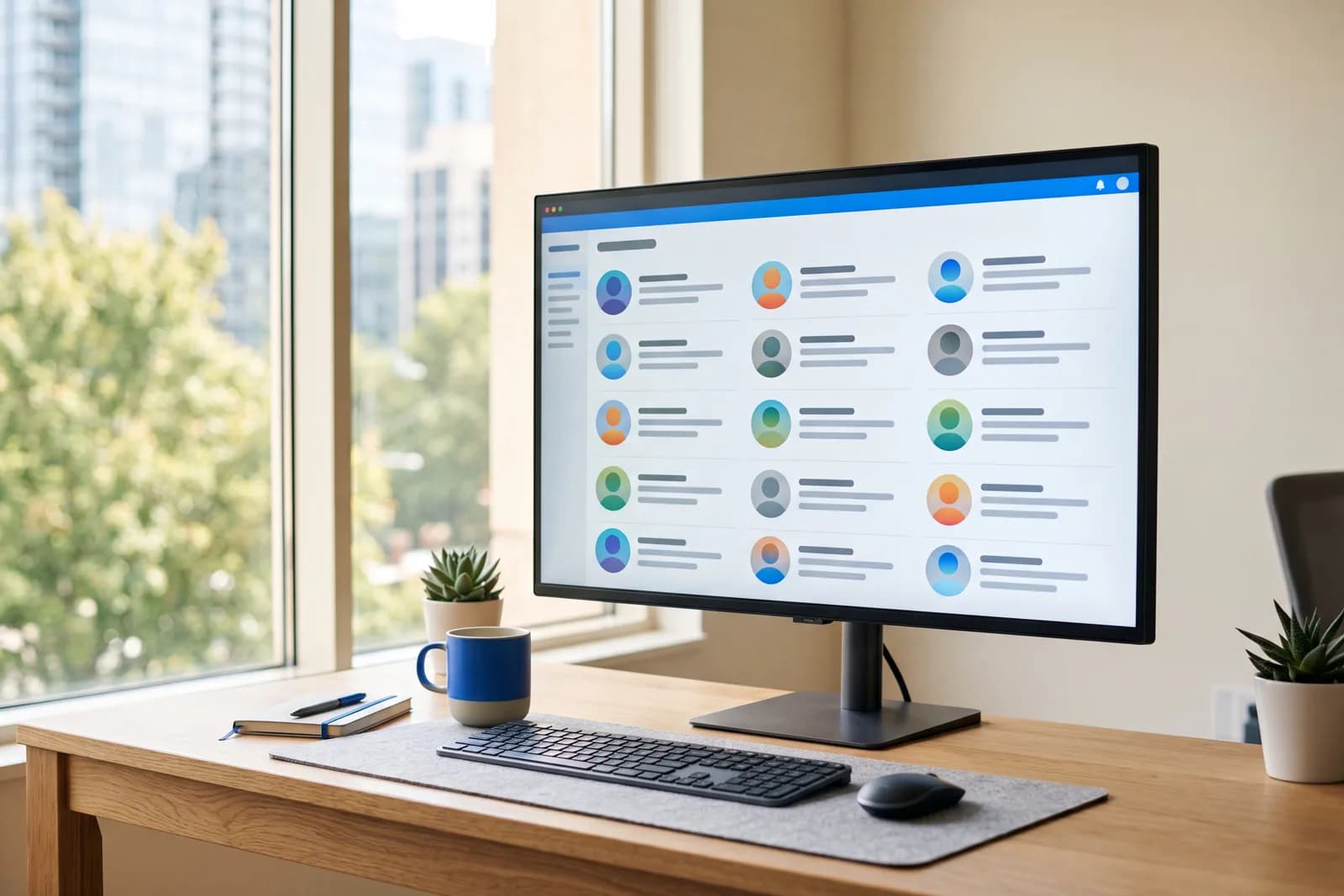
Administrative Barriers on the Path to Talent
Amidst a global shortage of qualified talent, HR Directors are forced to shift their focus from basic administration to strategic human capital management. However, in companies where HR tracking remains predominantly paper-based or is scattered across spreadsheets, the HR team's time goes to routine tasks instead. Booking time off, gathering signatures on orders, tracking working hours manually, and maintaining physical personnel files create 'administrative friction' that negatively affects not only HR department productivity but also the overall employee experience (EX).
Generation Z and Millennial employees expect seamless digital interaction from their employers—from submitting a resume to offboarding. The need to show up physically to request time off or waiting days for income statements becomes a trigger to look for a more technologically advanced workplace.
The Hidden Cost of Manual HR Processes
The cost of paper-based workflow is not just the price of paper and physical archiving. The largest cost component is the time of qualified specialists. Onboarding a single new hire manually passes through several departments — HR, IT, security, accounting — and each one re-enters the same data. In an HRMS (Human Resource Management System), the data is entered once and every department works from the same profile.
The second cost component is compliance errors. Manual data entry inevitably leads to typos in dates, names, or bank details. Errors in local fiscal accounting or labor tracking can result in fines. For a large enterprise handling thousands of transactions a month, the accumulation of compliance errors poses a serious risk to financial security.
Digital Employee Profile and Self-Service Portal
The foundation of HR automation is creating a single digital employee profile (Single Source of Truth). This is a database containing their entire history: from initial test task results to salary adjustments and training completions. A digital profile allows for instant reporting and personnel structure analysis.
Implementing employee self-service (ESS) portals takes routine requests off the HR team. Through a mobile app or web portal, an employee can check their remaining vacation days, request document copies, or update contact info. Such a request no longer goes through an HR specialist, and the employee gets the answer without waiting for one.
5 steps to automate HR record-keeping
- 1
A single digital employee profile
One database from hire to exit — instant reports and headcount analysis without manual data gathering.
- 2
Employee self-service (ESS) portal
Employees request certificates, book leave and update contact details themselves — routine requests no longer go through HR.
- 3
Onboarding automation
Pre-onboarding before day one: digital checklists for HR and IT, e-signature of documents, early access to the knowledge base.
- 4
Predictive turnover analytics
The algorithm analyzes absence frequency, engagement trends and time since last promotion to flag attrition risk early.
- 5
Paperless archive and compliance
Cloud storage with tiered access, automatic archiving and data deletion in line with local regulations.
Automating Onboarding: First Impressions Count
Onboarding is the first thing a new hire sees of the company from the inside. Without automation, it often devolves into a chaotic process of signing dozens of documents and waiting for workstation setup.
An HRMS automates pre-onboarding: even before their first day, the employee receives access to a knowledge base, gets introduced to the team structure, and uploads necessary documents to the digital system. Automated checklists for managers and IT ensure that all access rights and equipment are ready on day one. On day one, the employee starts working instead of waiting for access.
Turnover Analytics: From Logging Events to Predictive Modeling
Manual tracking only allows calculating turnover retroactively, after people have already left. Automated systems provide predictive analytics. By analyzing indirect indicators—frequency of time-off requests, engagement trends, time since the last promotion—the system can identify employee cohorts at a high risk of leaving.
This gives a manager time for a conversation before the resignation letter, not after it. The ability to see real-time staffing distribution, workloads, and skill gaps allows the HR Director to act as a strategic business partner rather than a mere registrar of personnel events.
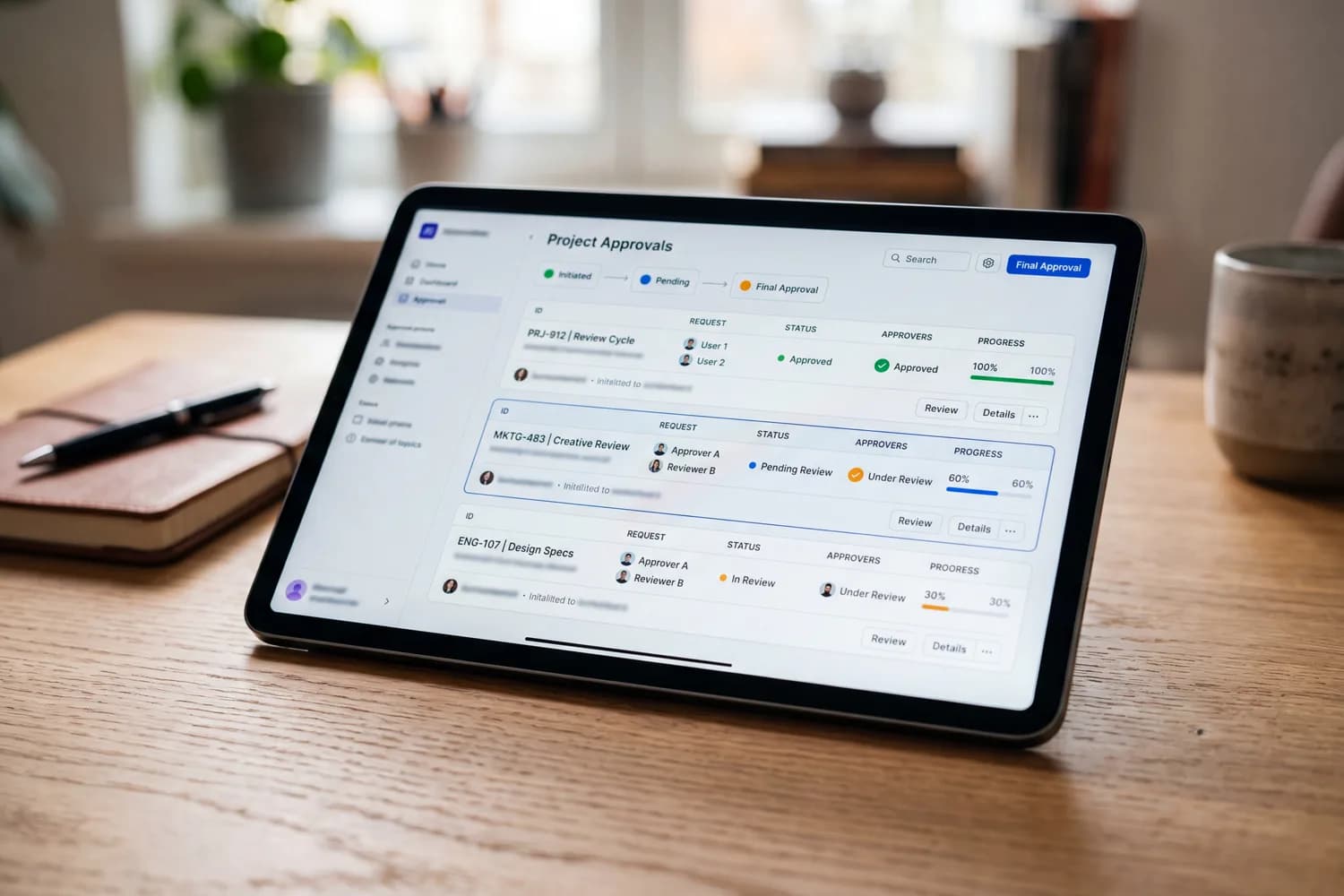
Paperless Office: Security and ESG compliance
Transitioning to digital HR document management eliminates the risk of physical loss or damage to documents. Secure cloud storage systems with role-based access provide much higher protection for personal data than files in a locked cabinet. Automating archiving and data deletion processes in line with local regulations ensures compliance with employee privacy rights.
Furthermore, going paperless in HR supports the ESG (Environmental, Social, and Governance) agenda, which is increasingly important for international investors and young talents. Eliminating paper archives cuts paper use and frees up office space.
Conclusion: HR as an Efficiency Center
Automating HR processes is not just about replacing typewriters with computers. It frees HR specialists from being 'data processors' to focus on their true purpose: developing talent, shaping corporate culture, and driving business efficiency through people. The return on an HRMS comes from three lines: HR administrative time, errors in personnel documents, and employee retention. In a world where talent is the primary resource, people management technology is the cornerstone of any enterprise's competitiveness.
Related articles
Want to apply this to your operation?
EFRION builds the automations described here — across POS, warehouse, and back-office operations.
Request a demo