Loss Control in Restaurants: How End-to-End Sales Tracking Reveals Hidden Theft
Where internal losses hide in a restaurant and how end-to-end sales tracking in a POS makes them visible. Learn how POS systems protect your profits.
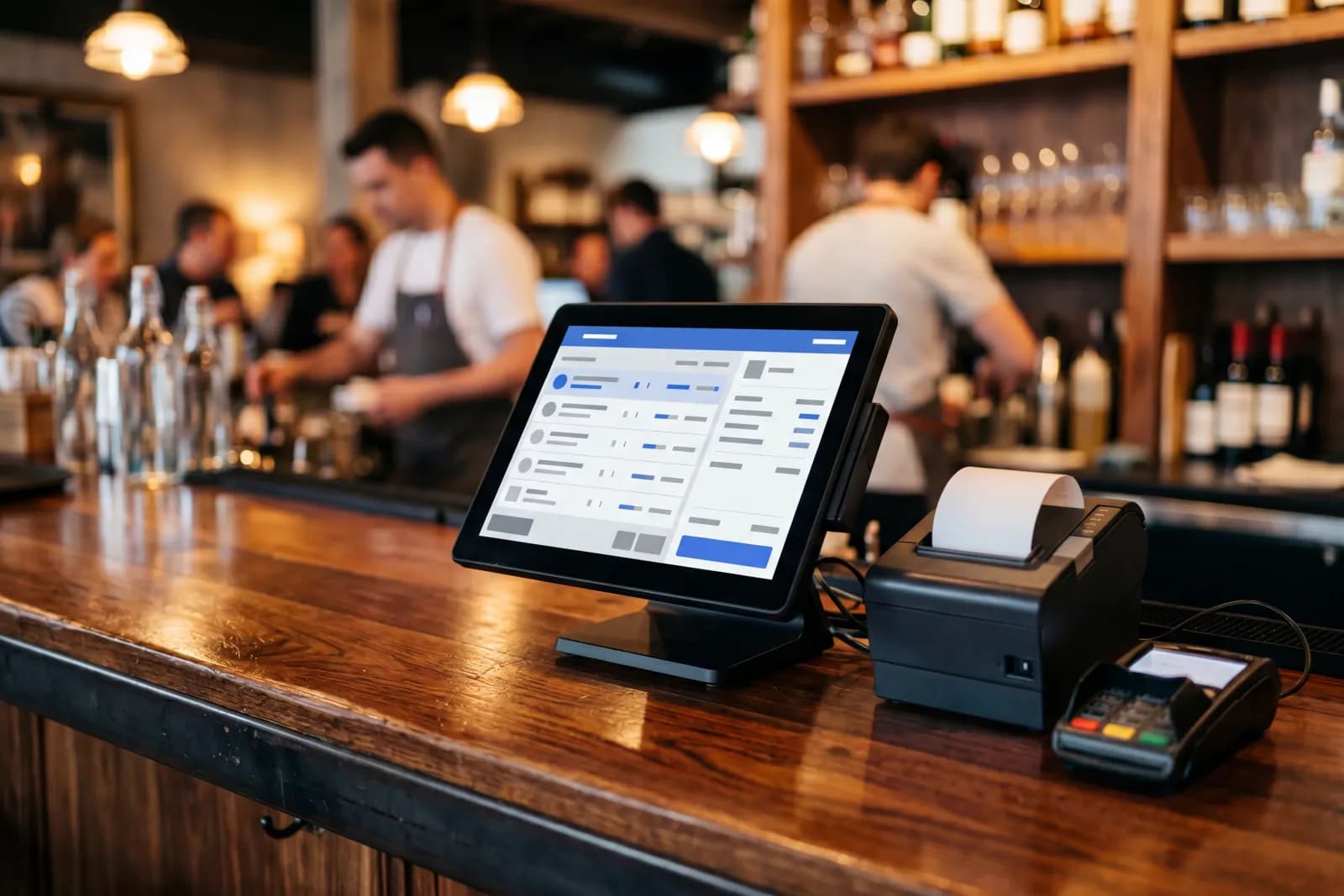
The restaurant business is traditionally considered a high-risk zone for operational losses. Low margins, high inventory turnover, and the human factor create ideal conditions for financial leaks. Internal errors, employee theft and loose stock management eat into potential revenue — and without data none of it shows up until the month closes. For a restaurant owner, controlling losses is not just a matter of discipline, but a necessity for business survival.
In 2025, tracking technology reached a level where every inventory and cash movement is logged digitally. End-to-end sales tracking, integrated with the warehouse module and video surveillance, transforms the black box of operational processes into a transparent structure.
Major Loss Channels: Where Money and Food Disappear
Losses in a restaurant can be divided into three categories: operational (technological), administrative, and malicious. Operational losses relate to food spoilage, improper storage, and cooking mistakes. Administrative losses arise from poor procurement planning and overstocking the warehouse. However, malicious actions cause the greatest damage.
Internal theft is the loss channel an owner sees least without data. The most common schemes include:
- 'Off-the-book' checks: selling items without logging them in the system.
- Deleting positions from paid checks: using admin access credentials to modify the final bill amount.
- Loyalty program manipulation: crediting bonus points to personal staff cards or using fictitious discounts.
- Inventory theft: lack of tracking controls allows high-quality ingredients to be written off as spoiled.
Restricting the opportunity to commit these actions, rather than just punishing them afterward, is where a restaurant must begin its loss control efforts.
The Role of End-to-End Tracking in Detecting Anomalies
End-to-end tracking means that every inventory item is monitored from the moment of supplier delivery to the moment of service to the guest. The POS (Point of Sale) system becomes the central hub where data streams converge. If a steak sale is recorded, the warehouse module automatically deducts the weight of the meat according to recipe specifications. Any discrepancy between physical stock and system data is a loss signal.
In 2025, modern systems use algorithms to detect suspicious patterns. For example, if a specific server has a transaction void or error rate significantly higher than the venue's average, the system flags it as a risk. Automation eliminates the need for owners to watch hours of surveillance footage; the system itself highlights the time and place of a likely incident.
Automated transaction control works not only by catching violators but also through the psychological effect of 'inevitable detection.'
Inventory Counts as a Tool for Financial Recovery
Regular inventory counts are the only way to verify tracking data accuracy. However, in non-automated restaurants, this process often becomes a formality. Manual counting errors and employee manipulation make the results unreliable.
For effective loss control in 2025, the following methods are used:
- Spot (blind) inventory checks: unexpected counts of 5–10 high-value items (alcohol, delicacies).
- Integrated weighing equipment with direct POS transfer: eliminates human error during stock measurements.
- Real-time Food Cost analysis: if actual Food Cost exceeds theoretical (calculated from recipe specs) by more than 2–3%, the venue has a portion control or theft issue.
Accurate data helps not only catch theft but also optimize menus, removing items with excessive prep costs or high waste volume.
How end-to-end tracking closes the loss channels
- 1
Recipe-card write-off at the moment of sale
Selling a dish auto-deducts ingredients by recipe card — any gap between actual stock and the system becomes a loss signal.
- 2
Anomaly-pattern detection
The algorithm flags servers with an elevated share of voided checks and "entry errors" — the owner needn’t watch cameras for hours.
- 3
Blind stocktakes of top items
A surprise check of the 5–10 priciest SKUs (alcohol, delicacies); scales feeding data straight into the POS remove the human factor.
- 4
Real-time Food Cost
If actual Food Cost exceeds the recipe-card theoretical by more than 2–3%, the venue has a portioning or theft problem.
- 5
Video control with overlays and access rights
CCTV syncs with the POS (overlays on the frame); cashiers lack rights to delete checks or apply discounts above 10% without manager approval.
Manipulation in the Checkout Zone and Prevention Methods
The checkout area is the most vulnerable point. Here, direct cash handling or discount card management takes place. One of the most damaging schemes is the 'deferred check,' where a server does not close a guest's bill immediately, waiting to see if the next customer orders the same items, allowing them to reuse the same check twice.
Security methods:
- Mandatory receipt issuance: implementing a policy where 'if you don't receive a receipt, your meal is on the house.'
- POS-video overlay: the surveillance system synchronizes with the POS, overlaying transaction details on the video feed. If the video shows a bottle of wine but the overlay reads 'tea,' the violation is obvious.
- Access rights restrictions: cashiers and servers must not have permissions to void checks, apply discounts over 10%, or cancel pre-checks without manager approval.
Integrating the POS with a surveillance system makes checkout fraud visible in the footage itself. For a restaurant owner, it closes the channel through which revenue leaves the cash register.
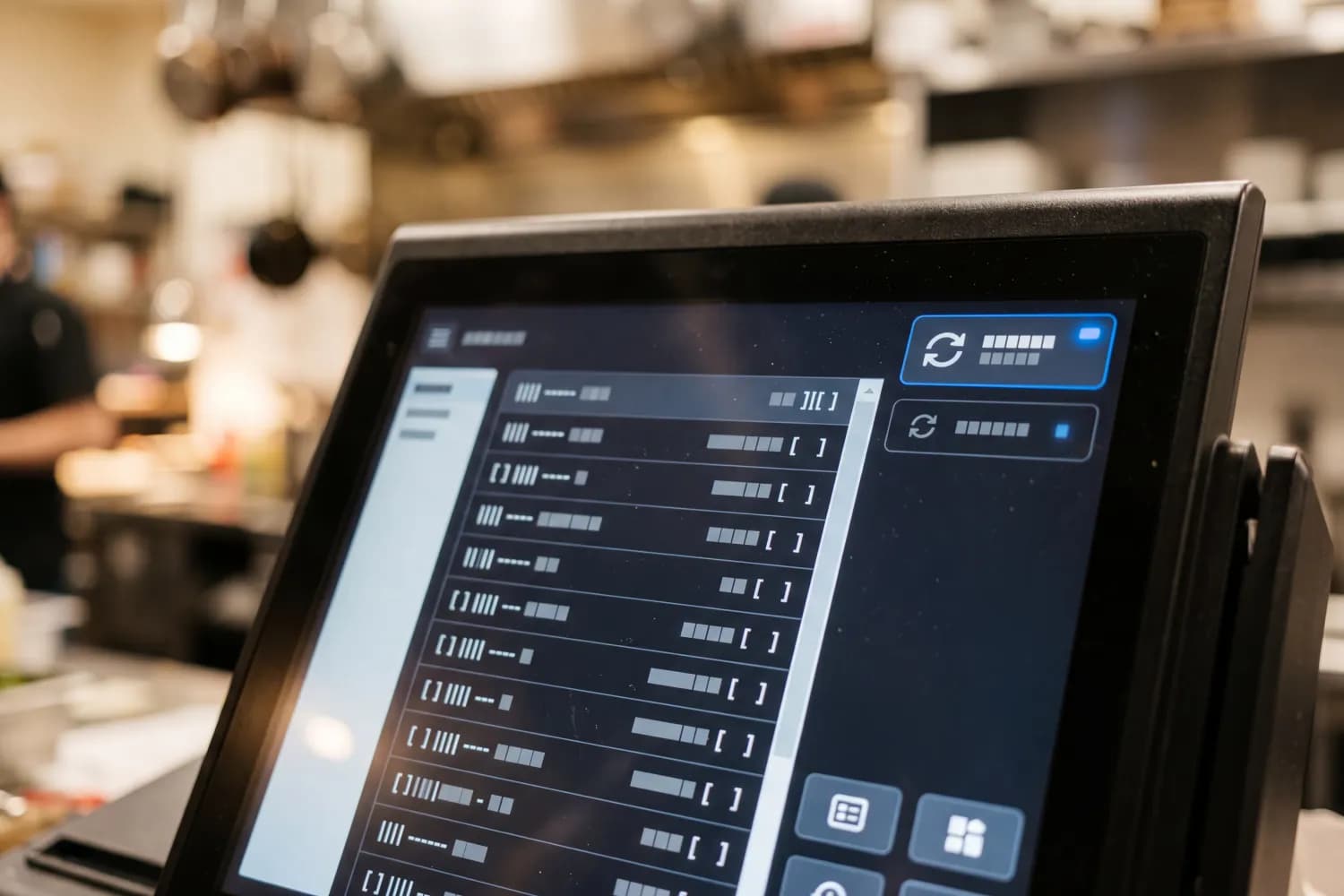
The Human Factor and a Control-Oriented Corporate Culture
Technology is only half the battle. A restaurant must embed loss control into its culture. Staff must understand that the system is transparent and fair. When employees realize the owner knows precise inventory levels and monitors waste logs, the temptation to steal drops sharply.
In 2025, leading restaurant chains use tracking data to motivate. For instance, cooks who maintain the lowest waste percentages while preserving quality receive bonuses. This transforms control from a punitive tool into one that drives overall team efficiency.
Professional employees prefer working where processes are clear and their work is not undermined by dishonest colleagues.
Conclusion: End-to-End Tracking as a Guarantee of Profitability
Loss control in a restaurant is an ongoing process requiring a combination of reliable software and competent management. With constantly rising food prices and rent, ignoring even 2–3% of losses can push a business to the brink of unprofitability. End-to-end sales tracking gives owners confidence that every earned currency unit remains in the company.
Investments in a modern POS system and analytics tools are not expenses, but profit insurance. Ultimately, a successful restaurant differs from an unprofitable one not only in kitchen quality but in the surgical precision of resource management. In 2025, data is the key ingredient of a thriving establishment, allowing it to maintain resilience and scale even in a tough market.
Related articles
Want to apply this to your operation?
EFRION builds the automations described here — across POS, warehouse, and back-office operations.
Request a demo